


Herbicide Detection
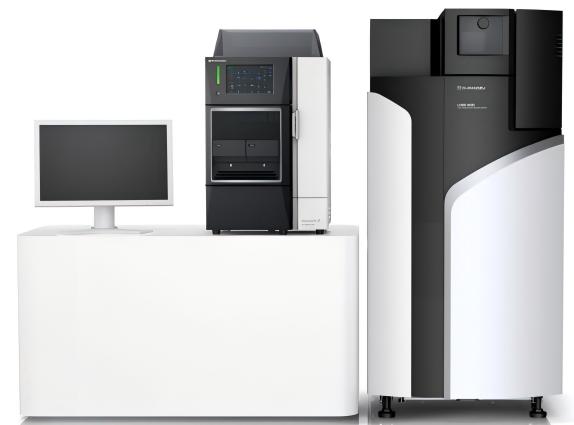
Detect and quantify herbicide residues in water with advanced Q-TOF mass spectrometry analysis. Our facilities in Korea, Singapore, and China deliver ultra-sensitive detection of agricultural herbicides, their metabolites, and transformation products at trace concentrations. From glyphosate to atrazine, paraquat to 2,4-D, our comprehensive screening services protect drinking water sources, monitor agricultural runoff, and ensure compliance with water quality standards for herbicide contamination in surface water, groundwater, and drinking water systems.
Understanding Herbicide Contamination in Water
Why Herbicides are Critical Water Contaminants
Agricultural chemicals as persistent water quality threats:
- Sources of Contamination - Agricultural application (croplands, orchards, vineyards) | Non-agricultural use (roadsides, railways, rights-of-way, golf courses) | Urban and residential lawn/garden care | Forestry management | Aquatic weed control in lakes, reservoirs, irrigation canals | Atmospheric deposition (spray drift, volatilization) | Industrial manufacturing and formulation facilities
- Transport Pathways - Surface runoff during rainfall events (primary pathway) | Subsurface drainage from agricultural tile drains | Groundwater leaching (especially mobile herbicides like atrazine, metolachlor) | Direct overspray or drift into surface waters | Soil erosion carrying adsorbed herbicides | Irrigation return flows | Point source discharges (equipment cleaning, spills)
- Environmental Persistence - Half-lives range from days to years depending on compound and conditions | Degradation by photolysis (sunlight), hydrolysis, microbial metabolism | Some herbicides and metabolites highly persistent (e.g., atrazine metabolites, glyphosate-AMPA) | Seasonal concentration patterns (peak during/after application, spring-summer) | Legacy contamination from banned herbicides (e.g., DDT, dieldrin) still detected decades later
- Human Health Concerns - Endocrine disruption (atrazine affects reproductive hormones at low µg/L) | Carcinogenicity concerns (some triazines, chlorophenoxy herbicides) | Developmental and reproductive toxicity | Liver and kidney damage (chronic exposure) | Immune system effects | Drinking water exposure via contaminated sources | Vulnerable populations: pregnant women, infants, agricultural workers
- Ecological Impacts - Non-target plant toxicity (aquatic macrophytes, algae) | Disruption of aquatic food webs | Fish toxicity (acute and chronic) | Amphibian decline (atrazine linked to deformities, hermaphroditism) | Benthic invertebrate community changes | Bioaccumulation in aquatic organisms | Synergistic toxicity with other pesticides
- Regulatory Standards - US EPA Maximum Contaminant Levels (MCLs): Atrazine 3 µg/L, Simazine 4 µg/L, 2,4-D 70 µg/L, Glyphosate 700 µg/L | EU Drinking Water Directive: Individual pesticide limit 0.1 µg/L, total pesticides 0.5 µg/L | WHO Guidelines for numerous herbicides | Increasingly stringent limits as toxicological data emerges | Monitoring requirements for public water systems
Q-TOF Analysis for Herbicide Detection
Advanced Mass Spectrometry for Multi-Residue Screening
High-resolution accurate mass analysis for herbicide quantification:
- Technology Advantages for Herbicides - Simultaneous analysis of 100+ herbicides and metabolites in single run | High mass accuracy (<2 ppm) distinguishes isobaric compounds | Full-scan acquisition allows retrospective data analysis (detect new compounds without reanalysis) | Structural elucidation via MS/MS fragmentation | Quantitative and qualitative analysis combined | Minimal matrix effects with proper sample preparation
- Herbicide-Specific Challenges - Wide polarity range (ionic to neutral compounds) | Glyphosate and AMPA require derivatization or specialized chromatography | Quaternary ammonium herbicides (paraquat, diquat) need HILIC or ion-pairing LC | Chlorophenoxy acids (2,4-D, MCPA) analyzed as free acids or derivatized esters | Multiple metabolites and transformation products per parent herbicide | Matrix complexity from dissolved organic matter, humic substances
- Sample Preparation - Solid Phase Extraction (SPE) for neutral and acidic herbicides: HLB, C18, or mixed-mode cartridges | SPE for polar herbicides: Weak anion exchange (WAX), Oasis MAX | Liquid-liquid extraction (LLE) for chlorophenoxy acids | Direct injection for highly contaminated samples (agricultural runoff, point sources) | Derivatization for glyphosate: FMOC-Cl (fluorescence) or methylation for MS detection | Concentration factor: 100-1000× typical (1-2L water → 0.5-1 mL extract)
- Detection Limits - Routine detection: 0.01-0.1 µg/L (10-100 ng/L) for most herbicides | Ultra-trace analysis: 0.001-0.01 µg/L (1-10 ng/L) for sensitive compounds | Glyphosate/AMPA: 0.05-0.5 µg/L (post-derivatization) | Paraquat/Diquat: 0.01-0.1 µg/L (HILIC-MS/MS) | Meets or exceeds regulatory requirements (EPA, EU, WHO) | Suitable for drinking water compliance and source water monitoring
- Analytical Workflow - Sample filtration (0.45 µm) and preservation (pH adjustment, refrigeration) | SPE or LLE extraction with appropriate sorbent/solvent | LC separation: C18 reversed-phase (most herbicides) or HILIC (polar compounds) | Q-TOF MS analysis: ESI+ and ESI- modes, full-scan MS + data-dependent MS/MS | Data processing: Peak detection, library matching, quantification against calibration curves | Quality control: Matrix spikes, duplicates, blanks, reference standards
Herbicide Detection Panels
Panel 1: Triazine Herbicides & Metabolites (12 Compounds)
Widely used, persistent, endocrine-disrupting herbicides:
| Herbicide | Mode of Action | Primary Uses | Drinking Water (µg/L) |
Surface Water (µg/L) |
Groundwater (µg/L) |
|---|---|---|---|---|---|
| Atrazine | Photosystem II inhibitor | Corn, sorghum, sugarcane | 0.1-5.0 | 0.5-50 | 0.05-10 |
| Desethylatrazine (DEA) | Atrazine metabolite | Atrazine degradation product | 0.05-3.0 | 0.2-30 | 0.1-8.0 |
| Deisopropylatrazine (DIA) | Atrazine metabolite | Atrazine degradation product | 0.02-1.5 | 0.1-15 | 0.05-5.0 |
| Simazine | Photosystem II inhibitor | Aquatic weed control, non-crop | 0.05-2.0 | 0.2-20 | 0.02-5.0 |
| Cyanazine | Photosystem II inhibitor | Corn (now restricted in many regions) | ND-1.0 | 0.05-10 | ND-3.0 |
| Propazine | Photosystem II inhibitor | Sorghum, millet | ND-0.5 | 0.02-5.0 | ND-2.0 |
| Terbuthylazine | Photosystem II inhibitor | Corn, cereals (EU common) | 0.02-2.0 | 0.1-15 | 0.05-5.0 |
| Ametryn | Photosystem II inhibitor | Sugarcane, pineapple | ND-0.5 | 0.05-8.0 | ND-2.0 |
| Prometryn | Photosystem II inhibitor | Cotton, celery | ND-0.3 | 0.02-5.0 | ND-1.0 |
| Terbutryn | Photosystem II inhibitor | Wheat, cereals (EU) | ND-0.5 | 0.05-6.0 | ND-2.0 |
| Hexazinone | Photosystem II inhibitor | Forestry, sugarcane, non-crop | 0.05-3.0 | 0.2-25 | 0.1-10 |
| Metribuzin | Photosystem II inhibitor | Soybeans, potatoes, tomatoes | 0.02-1.5 | 0.1-12 | 0.05-5.0 |
Regulatory Note: US EPA MCL for atrazine: 3 µg/L. EU limit: 0.1 µg/L (individual), 0.5 µg/L (total pesticides). Atrazine metabolites (DEA, DIA) often exceed parent compound in groundwater.
Panel 2: Chloroacetanilide Herbicides & Metabolites (10 Compounds)
High-use herbicides with persistent metabolites:
| Herbicide | Mode of Action | Primary Uses | Drinking Water (µg/L) |
Surface Water (µg/L) |
Groundwater (µg/L) |
|---|---|---|---|---|---|
| Metolachlor (S-Metolachlor) | Seedling growth inhibitor | Corn, soybeans, sorghum | 0.1-8.0 | 0.5-60 | 0.2-15 |
| Metolachlor ESA | Metolachlor metabolite | Environmental degradation product | 0.2-10 | 1.0-80 | 0.5-20 |
| Metolachlor OXA | Metolachlor metabolite | Environmental degradation product | 0.1-5.0 | 0.5-40 | 0.2-12 |
| Acetochlor | Seedling growth inhibitor | Corn, soybeans | 0.05-3.0 | 0.2-30 | 0.1-8.0 |
| Acetochlor ESA | Acetochlor metabolite | Environmental degradation product | 0.1-5.0 | 0.5-50 | 0.2-15 |
| Alachlor | Seedling growth inhibitor | Corn, soybeans (declining use) | ND-1.0 | 0.05-10 | ND-3.0 |
| Alachlor ESA | Alachlor metabolite | Environmental degradation product | 0.05-2.0 | 0.2-15 | 0.1-5.0 |
| Butachlor | Seedling growth inhibitor | Rice (Asia), soybeans | 0.02-2.0 | 0.1-20 | 0.05-5.0 |
| Pretilachlor | Seedling growth inhibitor | Rice (Asia) | 0.02-1.5 | 0.1-15 | 0.05-4.0 |
| Dimethenamid | Seedling growth inhibitor | Corn, soybeans, sunflower | 0.05-3.0 | 0.2-25 | 0.1-8.0 |
Important Note: ESA (ethanesulfonic acid) and OXA (oxanilic acid) metabolites are more mobile and persistent than parent compounds. Often detected at higher concentrations in groundwater.
Panel 3: Glyphosate & Glufosinate (4 Compounds)
Most widely used herbicides worldwide - require specialized analysis:
| Herbicide | Mode of Action | Primary Uses | Drinking Water (µg/L) |
Surface Water (µg/L) |
Groundwater (µg/L) |
|---|---|---|---|---|---|
| Glyphosate | EPSPS enzyme inhibitor | Non-selective, Roundup-Ready crops | 0.1-20 | 0.5-100 | 0.2-30 |
| AMPA (Aminomethylphosphonic acid) | Glyphosate metabolite | Glyphosate degradation product | 0.2-30 | 1.0-150 | 0.5-50 |
| Glufosinate (Glufosinate-ammonium) | Glutamine synthetase inhibitor | Non-selective, Liberty-Link crops | 0.05-5.0 | 0.2-40 | 0.1-10 |
| MPPA (3-methylphosphinicopropionic acid) | Glufosinate metabolite | Glufosinate degradation product | 0.05-3.0 | 0.2-25 | 0.1-8.0 |
Analytical Note: Glyphosate and glufosinate require derivatization (FMOC-Cl) or specialized LC methods (ion-pairing, HILIC). AMPA often exceeds glyphosate due to high persistence. US EPA MCL for glyphosate: 700 µg/L. EU limit: 0.1 µg/L.
Panel 4: Chlorophenoxy & Benzoic Acid Herbicides (10 Compounds)
Systemic herbicides for broadleaf weed control:
| Herbicide | Mode of Action | Primary Uses | Drinking Water (µg/L) |
Surface Water (µg/L) |
Groundwater (µg/L) |
|---|---|---|---|---|---|
| 2,4-D (2,4-Dichlorophenoxyacetic acid) | Synthetic auxin | Cereals, lawns, pastures, rights-of-way | 0.5-15 | 1.0-80 | 0.2-20 |
| MCPA (2-methyl-4-chlorophenoxyacetic acid) | Synthetic auxin | Cereals, grasslands, turf | 0.2-8.0 | 0.5-50 | 0.1-15 |
| Mecoprop (MCPP) | Synthetic auxin | Turf, cereals, grasslands | 0.1-5.0 | 0.5-40 | 0.1-12 |
| 2,4,5-T (2,4,5-Trichlorophenoxyacetic acid) | Synthetic auxin | Banned/restricted (Agent Orange component) | ND-0.5 | ND-3.0 | ND-1.0 |
| Dicamba | Synthetic auxin | Cereals, pastures, Xtend crops | 0.5-12 | 1.0-60 | 0.2-18 |
| Clopyralid | Synthetic auxin | Turf, cereals, canola | 0.1-5.0 | 0.5-35 | 0.1-10 |
| Triclopyr | Synthetic auxin | Forestry, rights-of-way, turf | 0.1-3.0 | 0.5-25 | 0.05-8.0 |
| Picloram | Synthetic auxin | Rangeland, rights-of-way | 0.5-10 | 1.0-50 | 0.5-15 |
| Chloramben | Growth regulator | Soybeans, squash, pumpkins | ND-2.0 | 0.1-15 | ND-5.0 |
| Bentazon | Photosystem II inhibitor | Beans, rice, corn | 0.2-8.0 | 0.5-50 | 0.1-15 |
Regulatory Note: US EPA MCL for 2,4-D: 70 µg/L. EU individual pesticide limit: 0.1 µg/L. Chlorophenoxy herbicides often detected in spring/summer during application season.
Panel 5: Other Priority Herbicides (16 Compounds)
Diverse chemistry classes for comprehensive screening:
| Herbicide | Mode of Action / Class | Primary Uses | Drinking Water (µg/L) |
Surface Water (µg/L) |
Groundwater (µg/L) |
|---|---|---|---|---|---|
| Paraquat | Bipyridylium (photosystem I) | Non-selective contact herbicide | 0.05-3.0 | 0.2-25 | 0.1-8.0 |
| Diquat | Bipyridylium (photosystem I) | Aquatic weed control, potatoes | 0.1-5.0 | 0.5-40 | 0.2-10 |
| Diuron | Urea (photosystem II inhibitor) | Cotton, sugarcane, non-crop | 0.2-8.0 | 0.5-50 | 0.1-15 |
| Linuron | Urea (photosystem II inhibitor) | Soybeans, potatoes, carrots | 0.05-3.0 | 0.2-25 | 0.1-8.0 |
| Isoproturon | Urea (photosystem II inhibitor) | Cereals (EU common) | 0.1-5.0 | 0.5-40 | 0.2-12 |
| Bromoxynil | Nitrile (photosystem II inhibitor) | Cereals, corn, onions | ND-1.0 | 0.05-8.0 | ND-3.0 |
| Pendimethalin | Dinitroaniline (microtubule inhibitor) | Soybeans, corn, cotton, turf | 0.05-2.0 | 0.2-20 | ND-5.0 |
| Trifluralin | Dinitroaniline (microtubule inhibitor) | Soybeans, cotton, vegetables | ND-1.0 | 0.05-10 | ND-3.0 |
| Imazapyr | Imidazolinone (ALS inhibitor) | Non-selective, forestry, rights-of-way | 0.1-5.0 | 0.5-40 | 0.2-15 |
| Imazethapyr | Imidazolinone (ALS inhibitor) | Soybeans, peanuts, legumes | 0.05-3.0 | 0.2-25 | 0.1-8.0 |
| Nicosulfuron | Sulfonylurea (ALS inhibitor) | Corn | ND-0.5 | 0.02-5.0 | ND-2.0 |
| Metsulfuron-methyl | Sulfonylurea (ALS inhibitor) | Cereals, pastures, rights-of-way | ND-0.5 | 0.02-5.0 | ND-2.0 |
| Ametryn | Triazine (photosystem II inhibitor) | Sugarcane, pineapple | 0.05-2.0 | 0.2-15 | 0.1-5.0 |
| Propanil | Anilide (photosystem II inhibitor) | Rice (Asia, US South) | 0.1-5.0 | 0.5-40 | 0.2-12 |
| Molinate | Thiocarbamate (lipid synthesis inhibitor) | Rice | 0.05-3.0 | 0.2-25 | 0.1-8.0 |
| EPTC (S-Ethyl dipropylthiocarbamate) | Thiocarbamate (lipid synthesis inhibitor) | Corn, beans, alfalfa | ND-2.0 | 0.1-15 | ND-5.0 |
ND = Not Detected (below detection limit ~0.01-0.05 µg/L). Concentration ranges represent typical values from agricultural watersheds. Urban/suburban areas may show different patterns.
Sample Submission Guidelines
Sample Collection & Preservation
Container: 1-2L amber glass bottles (baked at 450°C or solvent-rinsed)
Volume: 1L minimum (drinking water), 500 mL (wastewater, high contamination)
Preservation: Refrigerate at 4°C immediately, no chemical preservatives needed for most herbicides
Acidic Herbicides (2,4-D, dicamba): Acidify to pH 2-3 with H₂SO₄ or HCl
Holding Time: 7-14 days refrigerated (most herbicides), extract within 7 days for optimal recovery
Field Blanks: Include 1 field blank per 10 samples (DI water exposed to sampling environment)
Metadata Requirements
Essential Information: Collection date/time, GPS coordinates, water body name, sample depth, field parameters (temp, pH, conductivity), known herbicide use in watershed
Land Use: Crop types, application timing/rates (if known), rainfall events (recent 7 days)
Quality Info: Turbidity, color, odor, visible contamination
Chain of Custody: Provided template, required for regulatory samples
Shipping Instructions
Domestic: Ice packs, insulated cooler, overnight or 2-day courier
International: Frozen gel packs, styrofoam cooler, DHL/FedEx express (24-48 hr)
Temperature Monitoring: Include temperature logger if available
Customs: We provide documentation and handle clearance for CPTPP samples
Destination: Ship to nearest facility (Korea, Singapore, China) for fastest turnaround
SPE Extract Submission Option
Advantages: Perform SPE locally, ship small volume extract, lower shipping costs
Extract Volume: 0.5-1 mL in 2 mL amber vial, PTFE-lined cap
Storage: -20°C until shipment (dry ice required)
Documentation: SPE protocol used (cartridge type, elution solvent), concentration factor, recovery data (if available)
Advantage: Stable for months frozen, flexible timing
Data Deliverables
Standard Report Package
Quantitative Results: Table with herbicide concentrations (µg/L), MDL and MQL values, regulatory limit comparison (EPA, EU, WHO)
Chromatograms: TIC and EIC for each detected compound, peak identification, retention time
Quality Control: Matrix spike recovery (70-130% acceptable), replicate precision (RSD <20%), blank results, calibration curve statistics (R² >0.99)
Summary: Exceedances highlighted, seasonal/temporal patterns noted, recommendations for follow-up
Advanced Analysis Options
Transformation Products: Identification of degradation products, metabolite-to-parent ratios (degradation assessment)
Spatial Mapping: GIS maps showing concentration gradients (multi-location studies)
Statistical Analysis: Temporal trends, correlation with rainfall/application, principal component analysis
Risk Assessment: Comparison to ecological benchmarks, mixture toxicity evaluation (additive/synergistic effects)
Raw Data: Instrument files for independent reprocessing
Why Choose Our Herbicide Detection Services?
Comprehensive Coverage
>150 herbicides and metabolites in combined libraries. Includes legacy compounds (banned herbicides) and emerging contaminants. Specialized methods for challenging compounds (glyphosate, paraquat). Transformation product identification. Covers all major herbicide classes (triazines, chloroacetanilides, phenoxy acids, etc.).
Regulatory Compliance
Detection limits meet or exceed EPA, EU, WHO requirements. ISO 17025 accredited laboratories (Korea, Singapore). Validated against EPA Method 536 (chloroacetanilides), EPA Method 8321B (carbamates), EPA Method 555 (chlorinated acids). Data suitable for regulatory reporting and compliance documentation. Proficiency testing for key herbicides.
Agricultural Expertise
Understanding of regional herbicide use patterns (corn belt, rice paddies, etc.). Seasonal monitoring programs tailored to application timing. Interpretation of results in agricultural context. Consultation on source identification and mitigation strategies. Experience with agricultural watersheds, tile drainage, irrigation return flows.
Advanced Technology
High-resolution Q-TOF mass spectrometry (<1 ppm mass accuracy). Full-scan acquisition enables retrospective analysis. Suspect screening discovers unexpected contaminants. Multiple ionization modes (ESI+, ESI-, APCI) for diverse chemical properties. Specialized LC methods (HILIC, ion-pairing) for polar herbicides.
Quality Assurance
Rigorous QC every batch: matrix spikes, duplicates, blanks, continuing calibration verification. Certified reference standards from accredited suppliers. Proper handling of acidic herbicides (separate extraction, analysis). Internal standards compensate for matrix effects and ion suppression. Full audit trail and data integrity.
Regional Network Advantage
Three facilities (Korea, Singapore, China) ensure rapid turnaround. Regional herbicide use expertise (Asia rice herbicides, US/EU agriculture). Cost optimization through facility selection. Multilingual support and local regulatory knowledge. Fast shipping and customs clearance across CPTPP nations.
Getting Started
Step 1: Consultation
Contact our herbicide analysis team to discuss your monitoring objectives, watershed characteristics, and suspected herbicides. We'll recommend optimal panel based on regional herbicide use, crop types, and application season. Receive detailed quote with turnaround time and detection limits. Sample collection protocols and metadata forms provided.
Step 2: Sample Submission
Collect samples following our guidelines (bottles, preservation, metadata). Ship to nearest facility with tracking. We handle customs clearance for international samples. Sample receipt confirmed within 24 hours. Real-time status updates via online portal.
Step 3: Analysis & QC
SPE extraction with appropriate sorbent for target herbicides. LC-Q-TOF analysis with full quality control. Data processing, quantification, and expert review. Preliminary notification if regulatory exceedances detected. Progress updates for large projects.
Step 4: Results & Consultation
Comprehensive data package delivered securely. Results interpretation consultation included. Comparison to regulatory standards and ecological benchmarks. Recommendations for follow-up monitoring or mitigation. Continued support for data questions and additional analysis needs.
Need Help?
Our applications scientists have decades of combined experience in environmental Sample analysis. Contact us with your specific requirements.