


Waterbath/Fridge/Preservation
Maintain optimal conditions throughout your analytical workflow with our comprehensive range of temperature-controlled equipment. From incubation to long-term storage, our systems ensure sample integrity for reliable results in environmental water analysis and aquatic genomics research.
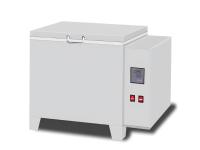
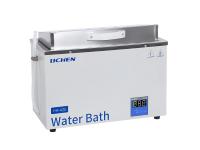
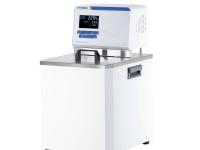
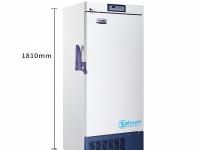
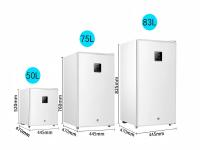
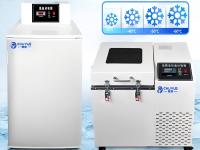
Laboratory Water Baths
High-precision water baths designed specifically for environmental sample preparation and microbiological applications. Essential for maintaining strict temperature control during incubation, extraction, and digestion procedures.
Standard Laboratory Water Baths
Capacity: 20L, 50L, 100L, 200L options
Temperature Range: Ambient +5°C to 99.9°C
Temperature Stability: ±0.1°C at 37°C (ISO class)
Features: Digital PID controller with 0.1°C resolution. Stainless steel chamber with perforated shelf. Over-temperature protection with audio alarm. Large LCD display with timer function.
Applications: Sample incubation for biological water analysis. Temperature equilibration for pH and conductivity standards. Enzyme digestion in nutrient analysis. BOD bottle temperature control.
Shaking Water Baths
Capacity: 12L, 22L with 4-8 flask positions
Temperature Range: Ambient +5°C to 99.9°C
Shaking Speed: 30-300 rpm, adjustable
Shaking Motion: Reciprocating or orbital
Features: Synchronized temperature and agitation control. Universal flask clamps for various container sizes. Spring-loaded platform for gentle sample mixing. Independent over-temp and speed alarms.
Applications: Bacterial culture growth for waterborne pathogen detection. DNA extraction with bead-beating. Protein expression for biosensor development. Accelerated antibiotic resistance gene analysis.
Refrigerated/Heated Circulators
Temperature Range: -20°C to +200°C (model dependent)
Temperature Stability: ±0.01°C at 20°C
Circulation Capacity: 10-30 L/min
Features: Precise temperature control for external applications. Programmable temperature ramps. RS-232/USB interface for automation. Compact footprint with low noise operation.
Applications: External temperature control for reactors and vessels. Precise temperature maintenance during PFAS extraction. Temperature cycling for genomic amplification. Cooling for solvent condensers.
Laboratory Refrigerators & Freezers
Purpose-built cold storage solutions for preserving sample integrity, reagent stability, and standard longevity in environmental testing laboratories.
Laboratory Refrigerators (2-8°C)
Capacity Options: 150L, 300L, 450L, 650L upright models
Temperature Range: 2-8°C/-40°C/-60°C with ±1°C stability
Features: Microprocessor temperature controller with digital display. Forced air circulation for uniform temperature distribution. Door open alarm with time delay. Interior LED lighting. Adjustable wire shelving (4-6 shelves). External temperature display. Key lock security.
Advanced Options: Chart recorder port for continuous monitoring. Temperature mapping validation ports. Battery backup alarm system. Glass door models for inventory visibility.
Applications: Water sample storage prior to analysis (maximum 48 hours). Reagent and standard solution storage. Biological culture media preservation. Enzyme and antibody storage for biosensors. Extracted DNA/RNA sample storage before processing.
Sample Preservation Accessories
Cryogenic Storage Systems
Options: Liquid nitrogen dewars (2L-50L). Cryogenic storage boxes and racks. Color-coded labeling systems.
Applications: Microbial culture long-term preservation. Genomic sample indefinite storage. Enzyme and protein activity preservation.
Temperature Monitoring
Options: Data logging thermometers. Wireless temperature monitoring systems. Chart recorders. Calibrated reference thermometers.
Features: Continuous temperature tracking. Alarm notification via SMS/email. Cloud-based data storage for compliance. Automated reporting for audits.
Sample Storage Containers
Options: Cryogenic vials (0.5-5mL). Microcentrifuge tube storage boxes. Freezer-safe sample racks. Bottle and jar storage systems.
Materials: Polypropylene for -80°C compatibility. Stainless steel for liquid nitrogen. Cardboard dividers for organization.
Sample Preservation Reagents
Options: Acid preservatives for metals analysis. Sodium thiosulfate for dechlorination. Biological fixatives for pathogen preservation. Cryoprotectants for culture storage.
Packaging: Pre-measured ampules. Dropper bottles. Bulk containers with dispensers.
Why Temperature Control Matters in Environmental Analysis
Sample Integrity
Biological activity continues after collection. Proper temperature control prevents microbial growth, enzymatic degradation, and chemical transformation. Critical for maintaining true sample composition until analysis.
Regulatory Compliance
EPA, ISO, and national standards mandate specific storage temperatures. Temperature deviations can invalidate results. Chain of custody requires documented temperature control. Accreditation bodies audit temperature records.
Cost Efficiency
Proper storage extends sample holding times. Prevents costly re-sampling. Protects expensive reagents and standards. Reduces waste from degraded materials. Long-term equipment reliability pays back investment.
Data Quality
Temperature stability ensures reproducible results. Eliminates temperature as a variable in method validation. Consistent conditions improve interlaboratory comparisons. Critical for long-term monitoring programs.
Equipment Comparison by Application
| Application | Water Bath | Refrigerator (2-8°C) | Freezer (-20°C) | Ultra-Low (-80°C) |
|---|---|---|---|---|
| Raw Water Samples | - | ✓ | - | - |
| Sample Incubation | ✓ | ✓ | - | - |
| Extracted DNA/RNA | - | Short-term | ✓ | Long-term |
| Reagents & Standards | - | ✓ | ✓ | - |
| Archived Samples | - | - | ✓ | ✓ |
| Microbial Cultures | ✓ | ✓ | - | ✓ (glycerol) |
Choosing the Right Equipment
Selection depends on your specific application requirements, sample volume, budget, and laboratory space. Consider factors such as temperature range needed, capacity for future growth, alarm and monitoring requirements, and energy efficiency for operational costs.
Our applications team can help assess your needs and recommend the optimal configuration. We provide detailed specifications, energy consumption data, and footprint dimensions to support your purchasing decision.
Need Help Selecting Equipment?
Our laboratory design specialists have extensive experience in environmental testing facilities. We can evaluate your workflow, sample volumes, and regulatory requirements to recommend the ideal temperature control solution. Free consultation and site assessment available for qualified laboratories.