


Pharmaceutical Residue Detection
Detect and quantify emerging pharmaceutical contaminants in water with cutting-edge mass spectrometry analysis. Our advanced Q-TOF (Quadrupole Time-of-Flight) facilities in Korea, Singapore, and China deliver ultra-sensitive detection of pharmaceuticals, personal care products, and endocrine disrupting compounds at trace concentrations. From antibiotics to hormones, painkillers to psychiatric drugs, our comprehensive screening services protect water quality and public health in drinking water, wastewater, and environmental monitoring programs.
Understanding Pharmaceutical Contamination in Water
Why Pharmaceutical Residues Matter
The growing concern of micropollutants in aquatic environments:
- Sources of Contamination - Human excretion of metabolized and unmetabolized drugs | Hospital and pharmaceutical manufacturing wastewater | Improper disposal (flushing unused medications) | Agricultural runoff (veterinary pharmaceuticals) | Aquaculture operations | Landfill leachate containing discarded medicines
- Environmental Persistence - Many pharmaceuticals designed to be biologically active and stable | Incomplete removal by conventional wastewater treatment (10-90% removal depending on compound) | Persistence in surface water (days to years) | Bioaccumulation in aquatic organisms | Long-term ecological effects at ng/L to µg/L concentrations
- Human Health Concerns - Chronic low-dose exposure via drinking water | Antibiotic resistance development in environmental bacteria | Endocrine disruption affecting reproduction and development | Synergistic effects of multiple pharmaceutical mixtures | Vulnerable populations: pregnant women, infants, elderly | Unknown long-term health impacts of continuous trace exposure
- Ecological Impacts - Fish feminization from synthetic estrogens (ng/L concentrations) | Behavioral changes in aquatic organisms (antidepressants, stimulants) | Disruption of aquatic food webs | Reduced reproductive success in amphibians and fish | Antibiotic resistance in aquatic bacteria spreading to pathogens
- Regulatory Landscape - EU Watch List includes 17β-estradiol, diclofenac, antibiotics | US EPA Contaminant Candidate List (CCL5) includes pharmaceuticals | No established drinking water limits for most pharmaceuticals | Increasing regulatory scrutiny globally | Monitoring requirements expanding in developed nations
Q-TOF Mass Spectrometry Technology
Advanced Detection for Small Molecule Analysis
State-of-the-art instrumentation for pharmaceutical screening:
- What is Q-TOF? - Hybrid mass spectrometer combining quadrupole and time-of-flight analyzers | Quadrupole: Selects precursor ions (parent molecules) | Collision cell: Fragments ions for structural information | Time-of-Flight: Measures exact mass of fragments with high resolution | Provides accurate mass (<2 ppm error), isotope patterns, and fragmentation spectra for confident identification
- Technology Advantages - High mass accuracy (typically <1 ppm) enables molecular formula determination | High resolution (>40,000 FWHM) separates isobaric compounds | Wide dynamic range (5-6 orders of magnitude) | Fast data acquisition (up to 50 spectra/second) | Full-scan MS and MS/MS simultaneously (no need to pre-select targets) | Post-acquisition data mining (discover unexpected compounds retrospectively)
- Sensitivity - Detection limits: 0.1-10 ng/L (ppt to ppb levels) for most pharmaceuticals | Quantification limits: 1-50 ng/L depending on compound and matrix | Superior sensitivity compared to traditional LC-UV or GC-MS | Comparable or better than triple quadrupole MS for many compounds
- Comprehensive Screening - Targeted analysis: Quantify known pharmaceuticals from validated library (500+ compounds) | Suspect screening: Search against databases (10,000+ pharmaceuticals and metabolites) | Non-targeted analysis: Identify unknown compounds via spectral interpretation and database matching | One analysis covers broad chemical space
- Workflow - Sample preparation: SPE concentration (see SPE section) | LC separation: Reversed-phase chromatography (C18 column, 10-30 min gradient) | Ionization: Electrospray (ESI) in positive and negative modes | Q-TOF analysis: Full scan MS + data-dependent MS/MS | Data processing: Automated peak detection, library matching, quantification
Sample Preparation - SPE Extraction
Critical pre-concentration step for trace-level detection:
- Why SPE is Essential - Pharmaceutical concentrations in water: ng/L to low µg/L | Direct injection insufficient sensitivity | SPE concentrates 100-1000× (1-2L water → 0.5-1 mL extract) | Removes matrix interferences (salts, humic substances) | Compatible with LC-MS analysis
- SPE Cartridge Selection - HLB (Hydrophilic-Lipophilic Balance): Universal, broad polarity range, most pharmaceuticals | Oasis MCX (Mixed-mode Cation eXchange): Basic drugs (propranolol, fluoxetine, metformin) | Oasis MAX (Mixed-mode Anion eXchange): Acidic drugs (ibuprofen, naproxen, antibiotics) | Multi-layer cartridges: Combines HLB + MCX + MAX for comprehensive extraction
- SPE Protocol - Condition cartridge: Methanol (5 mL) → Water (5 mL) | Load sample: 100-2000 mL water at 5-10 mL/min | Wash: 5% methanol (removes salts, preserves analytes) | Dry: Vacuum or nitrogen (5-10 min) removes residual water | Elute: Methanol or methanol/acetonitrile with 1% formic acid (3-5 mL) | Concentrate: Evaporate to near dryness under nitrogen, reconstitute in 0.5-1 mL | Recovery: Typically 70-120% for most pharmaceuticals
- Sample Submission - Option 1: Send raw water samples (we perform SPE) - Ship 1-2L in amber glass bottles, preserved with 0.1% formic acid, 4°C | Option 2: Perform SPE locally, ship concentrated extracts - Ship extracts in 2 mL amber vials, frozen (-20°C), dry ice shipping | Includes detailed sample metadata form (collection date, location, water type, pH, temperature)
Regional Q-TOF Analysis Facilities
Korea Facility (Seoul)
Location: Seoul, South Korea
Instrumentation: Agilent 6545 Q-TOF, Waters Xevo G2-XS Q-TOF, Bruker maXis Impact Q-TOF
LC Systems: UHPLC with C18 columns (sub-2 µm particles), 30 min gradient methods
Compound Library: >500 pharmaceuticals validated for quantification, 10,000+ suspect screening database
Specializations: Antibiotics, NSAIDs, psychiatric drugs, cardiovascular medications
Certifications: ISO 17025 accredited, Korean Ministry of Environment approved
<
Sample Submission: Courier from CPTPP nations, cold-chain maintained, customs assistance
Singapore Facility
Location: Singapore Science Park
Instrumentation: AB Sciex TripleTOF 6600, Thermo Q Exactive HF Orbitrap (ultra-high resolution), Waters Synapt G2-Si Q-TOF
LC Systems: UHPLC with polar and non-polar stationary phases, 20-40 min methods
Compound Library: >600 pharmaceuticals and metabolites, extensive hormone panel
Specializations: Endocrine disruptors, hormones, personal care products, emerging contaminants
Certifications: ISO 17025, Singapore SAC accredited, UKAS recognized
Sample Submission: Regional hub for Southeast Asia, express shipping, import permits handled
China Facility (Shenzhen)
Location: Shenzhen, Guangdong Province
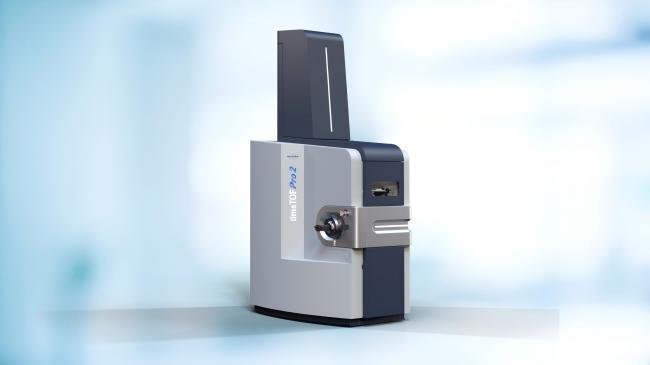
Instrumentation: AB Sciex TripleTOF 5600+, Agilent 6550 iFunnel Q-TOF, Bruker timsTOF (ion mobility Q-TOF)
LC Systems: Multiple UHPLC systems for high-throughput, parallel processing capability
Compound Library: >700 pharmaceuticals including traditional Chinese medicines, antibiotics focus
Specializations: Veterinary pharmaceuticals, aquaculture drugs, large-scale screening projects, cost-effective analysis
Certifications: CNAS accredited (China), ISO 17025
Sample Submission: Domestic and international courier, customs clearance support
Distributed Network Benefits
Three regional facilities ensure rapid turnaround. Instrument redundancy for project continuity. Complementary compound libraries (>1,000 unique compounds combined). Cost optimization through facility selection. 24/7 time zone coverage for client support. Regional regulatory expertise (Korea, Singapore, China standards). Competitive pricing through network efficiency. Capacity for large surveillance programs (100+ samples).
Pharmaceutical Detection Panels
Panel 1: Antibiotics (25 Compounds)
Critical for antibiotic resistance monitoring in environmental waters:
| Antibiotic | Class | Medical Use | Drinking Water (ng/L) |
Wastewater Effluent (ng/L) |
Surface Water (ng/L) |
|---|---|---|---|---|---|
| Sulfamethoxazole | Sulfonamide | UTI, respiratory infections | 5-50 | 100-1,500 | 10-200 |
| Trimethoprim | Diaminopyrimidine | UTI (combined with SMX) | 2-30 | 50-800 | 5-150 |
| Ciprofloxacin | Fluoroquinolone | Broad-spectrum infections | 1-20 | 100-5,000 | 10-500 |
| Ofloxacin | Fluoroquinolone | Respiratory, UTI, skin infections | 1-15 | 80-2,000 | 5-300 |
| Norfloxacin | Fluoroquinolone | UTI, prostatitis | 1-10 | 50-1,200 | 5-200 |
| Erythromycin | Macrolide | Respiratory infections, STDs | 2-25 | 100-2,500 | 10-400 |
| Clarithromycin | Macrolide | Respiratory, H. pylori | 1-20 | 80-1,800 | 5-250 |
| Azithromycin | Macrolide | Respiratory, STDs, COVID-19 | 2-40 | 150-3,000 | 10-500 |
| Tetracycline | Tetracycline | Acne, respiratory infections | ND-10 | 20-800 | 2-150 |
| Doxycycline | Tetracycline | Broad-spectrum, malaria prophylaxis | ND-5 | 10-400 | 1-80 |
| Amoxicillin | β-lactam (penicillin) | Common bacterial infections | ND-2 | 10-200 | 1-30 |
| Penicillin G | β-lactam (penicillin) | Streptococcal infections | ND-1 | 5-150 | ND-20 |
| Cephalexin | Cephalosporin | Respiratory, skin, bone infections | ND-5 | 20-500 | 2-100 |
| Lincomycin | Lincosamide | Serious infections, veterinary use | 1-15 | 50-1,000 | 5-200 |
| Clindamycin | Lincosamide | Anaerobic infections, acne | 1-10 | 30-600 | 2-120 |
| Metronidazole | Nitroimidazole | Anaerobic infections, C. difficile | 2-30 | 100-2,000 | 10-300 |
| Vancomycin | Glycopeptide | MRSA, serious Gram-positive infections | ND-2 | 10-300 | 1-50 |
ND = Not Detected (below detection limit of ~0.5-1 ng/L). Concentration ranges represent typical values from global monitoring studies. Actual concentrations vary by region, population density, and wastewater treatment efficiency.
Panel 2: Analgesics & Anti-Inflammatory Drugs (12 Compounds)
Widely used OTC and prescription pain medications:
| Compound | Class | Medical Use | Drinking Water (ng/L) |
Wastewater Effluent (ng/L) |
Surface Water (ng/L) |
|---|---|---|---|---|---|
| Ibuprofen | NSAID | Pain, fever, inflammation | 5-100 | 500-10,000 | 50-2,000 |
| Naproxen | NSAID | Arthritis, pain relief | 5-80 | 300-8,000 | 30-1,500 |
| Diclofenac | NSAID | Arthritis, acute pain | 10-150 | 500-5,000 | 50-1,000 |
| Ketoprofen | NSAID | Pain, inflammation | 2-50 | 100-3,000 | 10-500 |
| Indomethacin | NSAID | Severe arthritis, gout | 1-20 | 50-1,500 | 5-300 |
| Acetaminophen (Paracetamol) | Analgesic/antipyretic | Pain, fever (non-NSAID) | 5-200 | 1,000-50,000 | 100-5,000 |
| Aspirin (Acetylsalicylic acid) | NSAID | Pain, cardiovascular protection | ND-10 | 50-2,000 | 5-400 |
| Salicylic acid (Aspirin metabolite) | NSAID metabolite | Aspirin breakdown product | 10-100 | 500-10,000 | 50-2,000 |
| Codeine | Opioid analgesic | Moderate pain, cough suppressant | 1-30 | 50-1,000 | 5-200 |
| Tramadol | Opioid analgesic | Moderate to severe pain | 2-50 | 100-3,000 | 10-500 |
| Morphine | Opioid analgesic | Severe pain management | ND-10 | 20-500 | 2-100 |
| Gabapentin | Anticonvulsant/neuropathic pain | Neuropathic pain, seizures | 5-80 | 200-5,000 | 20-1,000 |
Panel 3: Hormones & Endocrine Disruptors (10 Compounds)
Potent biological activity at ultra-trace concentrations:
| Compound | Type | Source/Use | Drinking Water (ng/L) |
Wastewater Effluent (ng/L) |
Surface Water (ng/L) |
|---|---|---|---|---|---|
| 17α-Ethinylestradiol (EE2) | Synthetic estrogen | Oral contraceptives | ND-2 | 1-20 | 0.5-10 |
| 17β-Estradiol (E2) | Natural estrogen | Human/animal excretion, HRT | ND-5 | 2-80 | 0.5-30 |
| Estrone (E1) | Natural estrogen | E2 metabolite, human excretion | ND-10 | 5-150 | 1-50 |
| Estriol (E3) | Natural estrogen | Pregnancy hormone | ND-3 | 2-50 | 0.5-20 |
| Progesterone | Natural progestin | Female hormone, contraceptives | ND-2 | 1-30 | 0.5-10 |
| Testosterone | Androgen | Male hormone, HRT, athletic doping | ND-1 | 1-40 | 0.5-15 |
| Bisphenol A (BPA) | Industrial estrogen mimic | Plastics, epoxy resins | 5-100 | 100-5,000 | 10-1,000 |
| Nonylphenol | Industrial estrogen mimic | Detergent metabolite, plastics | 10-200 | 500-20,000 | 50-5,000 |
| Triclosan | Antibacterial agent | Personal care products, soaps | 2-50 | 100-5,000 | 10-1,000 |
| Triclocarban | Antibacterial agent | Bar soaps, personal care | 1-30 | 50-2,000 | 5-500 |
Ecological Concern: Estrogens (EE2, E2, E1) cause fish feminization and reproductive impairment at 1-10 ng/L. EU environmental quality standard for EE2: 0.035 ng/L (surface water).
Panel 4: Cardiovascular & Lipid-Regulating Drugs (15 Compounds)
Widely prescribed medications for chronic conditions:
| Compound | Class | Medical Use | Drinking Water (ng/L) |
Wastewater Effluent (ng/L) |
Surface Water (ng/L) |
|---|---|---|---|---|---|
| Atenolol | β-blocker | Hypertension, angina | 10-150 | 500-10,000 | 50-2,000 |
| Metoprolol | β-blocker | Hypertension, heart failure | 5-100 | 300-8,000 | 30-1,500 |
| Propranolol | β-blocker | Hypertension, anxiety, tremor | 2-50 | 100-3,000 | 10-500 |
| Sotalol | β-blocker | Arrhythmia | 5-80 | 200-5,000 | 20-1,000 |
| Atorvastatin | Statin | High cholesterol | 1-20 | 50-1,500 | 5-300 |
| Simvastatin | Statin | High cholesterol | ND-10 | 20-800 | 2-150 |
| Gemfibrozil | Fibrate | High triglycerides | 5-100 | 500-8,000 | 50-1,500 |
| Bezafibrate | Fibrate | Mixed dyslipidemia | 10-150 | 1,000-15,000 | 100-3,000 |
| Enalapril | ACE inhibitor | Hypertension, heart failure | 1-30 | 50-2,000 | 5-400 |
| Valsartan | ARB (Angiotensin receptor blocker) | Hypertension | 5-80 | 200-5,000 | 20-1,000 |
| Irbesartan | ARB | Hypertension, diabetic nephropathy | 2-50 | 100-3,000 | 10-600 |
| Hydrochlorothiazide | Diuretic | Hypertension, edema | 10-200 | 500-15,000 | 50-3,000 |
| Furosemide | Loop diuretic | Heart failure, edema | 5-100 | 200-8,000 | 20-1,500 |
| Diltiazem | Calcium channel blocker | Hypertension, angina | 2-40 | 50-2,000 | 5-400 |
| Warfarin | Anticoagulant | Blood clot prevention | ND-5 | 10-500 | 1-100 |
Panel 5: Psychiatric & Neurological Drugs (12 Compounds)
Behavioral effects in aquatic organisms at environmental concentrations:
| Compound | Class | Medical Use | Drinking Water (ng/L) |
Wastewater Effluent (ng/L) |
Surface Water (ng/L) |
|---|---|---|---|---|---|
| Fluoxetine (Prozac) | SSRI antidepressant | Depression, OCD, anxiety | 1-20 | 50-1,500 | 5-300 |
| Sertraline (Zoloft) | SSRI antidepressant | Depression, PTSD, social anxiety | 1-15 | 30-1,000 | 3-200 |
| Citalopram | SSRI antidepressant | Depression | 2-30 | 100-2,500 | 10-500 |
| Paroxetine | SSRI antidepressant | Depression, panic disorder | ND-10 | 20-800 | 2-150 |
| Venlafaxine | SNRI antidepressant | Depression, anxiety | 5-80 | 200-5,000 | 20-1,000 |
| Carbamazepine | Anticonvulsant/mood stabilizer | Epilepsy, bipolar disorder, neuropathic pain | 10-150 | 500-8,000 | 50-2,000 |
| Diazepam (Valium) | Benzodiazepine | Anxiety, muscle spasms, seizures | 1-15 | 20-600 | 2-120 |
| Lorazepam | Benzodiazepine | Anxiety, insomnia | 1-10 | 10-400 | 1-80 |
| Methylphenidate (Ritalin) | Stimulant | ADHD, narcolepsy | ND-5 | 10-300 | 1-60 |
| Caffeine | Stimulant | OTC stimulant, beverages | 20-500 | 5,000-100,000 | 500-10,000 |
| Nicotine | Stimulant/tobacco | Tobacco products, smoking cessation | 5-100 | 500-20,000 | 50-3,000 |
| Cotinine (Nicotine metabolite) | Tobacco biomarker | Nicotine breakdown product | 10-200 | 1,000-50,000 | 100-5,000 |
Ecological Note: SSRIs (fluoxetine, sertraline) alter fish behavior, feeding, and predator avoidance at 1-100 ng/L. Carbamazepine is highly persistent (recalcitrant to biodegradation).
Service Packages & Pricing
Targeted Screening Package
Analysis Scope: Select 10-50 compounds from validated library
Included: SPE extraction (if raw sample submitted), LC-Q-TOF analysis, quantification with calibration curves, data report with concentration tables
Detection Limits: 0.5-10 ng/L (compound-dependent)
Quantification Limits: 1-50 ng/L
Sample Volume: 1-2L water (raw) or 0.5-1 mL (extract)
Turnaround Time: 2-3 weeks (standard), 1 week (rush +50%)
Pricing: $300-600 per sample (10 compounds), $500-900 (25 compounds), $800-1,200 (50 compounds)
Best For: Routine monitoring, compliance testing, specific contaminant panels
Comprehensive Screening Package
Analysis Scope: 100+ pharmaceuticals from validated library + suspect screening (500+ compounds)
Included: SPE extraction, LC-Q-TOF full-scan MS/MS, quantification of detected compounds, suspect screening report, identification confidence scoring
Detection Limits: 0.1-5 ng/L for most compounds
Deliverables: Quantitative data for all detected compounds, suspect hits with spectral matches, comprehensive data package
Turnaround Time: 3-4 weeks
Pricing: $1,200-1,800 per sample
Best For: Exploratory studies, research projects, source water assessment, unknown contaminant investigations
Non-Targeted Screening (Discovery)
Analysis Scope: Identify unknown compounds beyond pharmaceutical databases
Included: High-resolution full-scan MS, data-dependent MS/MS, molecular formula determination, spectral library matching (>100,000 compounds), manual interpretation of unknowns
Deliverables: List of all detected features, tentative identifications, confidence levels (suspect, probable, confirmed), raw data files for further analysis
Turnaround Time: 4-6 weeks (intensive data analysis)
Pricing: $2,000-3,500 per sample
Best For: Novel contaminant discovery, transformation product identification, academic research, emerging pollutants
Time-Series Monitoring Program
Analysis Scope: Regular monitoring (weekly, monthly, quarterly) with custom panel
Included: All standard services + trending analysis, statistical reports, automated alerts for exceedances, annual summary report
Benefits: 15-25% discount on per-sample pricing, priority processing, dedicated project manager, data visualization dashboards
Minimum Commitment: 50 samples per year
Pricing: Custom quotes based on frequency and panel size
Best For: Wastewater surveillance programs, drinking water source monitoring, research longitudinal studies
Sample Submission & Logistics
Sample Collection Guidelines
Container: Amber glass bottles (1-2L), pre-cleaned, solvent-rinsed
Preservation: Add 0.1% formic acid (provided upon request), store at 4°C immediately
Holding Time: 14 days maximum (refrigerated), freeze at -20°C for longer storage
Metadata: Collection date/time, location (GPS coordinates), water type, temperature, pH, any known contamination sources
Shipping: Pack with ice packs or frozen gel packs, insulated shipping boxes, courier with tracking
SPE Extract Submission
Container: 2 mL amber glass vials with PTFE-lined caps
Volume: 0.5-1 mL final extract
Storage: -20°C or -80°C (for long-term stability)
Shipping: Dry ice required for frozen extracts, express courier (24-48 hour delivery)
Documentation: SPE protocol used, concentration factor, any deviations from standard procedure
Advantages: Lower shipping costs, extended stability, you control extraction timing
International Shipping Support
Customs clearance assistance for all CPTPP nations. Provide import permits and documentation templates. Courier partnerships (DHL, FedEx) with cold-chain capability. Tracking notifications at every step. Customs-bonded courier accounts to expedite clearance. Support for Material Transfer Agreements (MTA) if required for research collaborations.
Sample Tracking System
Web-based portal for sample submission and tracking. Barcode labels provided for sample identification. Real-time status updates (received, in-progress, complete). Automated email notifications at each milestone. Secure data download when analysis complete. Chain-of-custody documentation for regulatory compliance.
Data Deliverables & Reporting
Standard Data Package
Summary Report (PDF): Table of detected compounds with concentrations (ng/L), method detection limits (MDL) and quantification limits (MQL), quality control results (recovery, precision), sample metadata
Chromatograms: Total ion chromatogram (TIC), extracted ion chromatograms (EIC) for each detected compound, peak area and retention time data
Calibration Data: Calibration curves for quantified compounds, R² values, accuracy and precision metrics
Quality Control: Matrix spike recovery (70-120% acceptable), replicate analysis (RSD <20%), blank contamination check, internal standard performance
Advanced Data Options
Raw Data Files: Instrument data files (.d, .raw, .wiff formats) for independent reprocessing
Spectral Libraries: MS/MS spectra for all detected compounds (for building custom libraries)
Statistical Analysis: Multivariate analysis (PCA, cluster analysis), correlation matrices, temporal trends (for time-series data)
Regulatory Comparison: Compare results to EPA, EU, WHO guidelines (where available)
Why Choose Our Q-TOF Pharmaceutical Analysis?
Cutting-Edge Technology
Latest Q-TOF instruments (2020-2024 models) with highest resolution and sensitivity. Multiple platforms (Agilent, Waters, AB Sciex, Bruker, Thermo) for cross-validation. Ultra-high resolution (<1 ppm mass accuracy) ensures confident identification. Full-scan MS/MS enables retrospective data mining (discover new compounds later without re-analysis).
Comprehensive Compound Coverage
>1,000 pharmaceuticals in combined libraries (Korea + Singapore + China). Regular library updates with emerging contaminants. Custom method development for client-specific compounds. Metabolite and transformation product identification. Veterinary pharmaceutical expertise (China facility).
Ultra-Sensitive Detection
Detection limits 0.1-10 ng/L (sub-ppb to ppt levels). Optimized SPE protocols for maximum recovery (>80% for most compounds). Low matrix effects through careful sample cleanup. Suitable for drinking water (low concentrations) and wastewater (high complexity). Meets or exceeds research-grade sensitivity requirements.
Quality Assurance
ISO 17025 accredited facilities (Korea, Singapore). Rigorous QC: calibration curves, matrix spikes, duplicates, blanks. Certified reference materials for quantification. Participation in international proficiency testing. Full audit trail and data integrity (21 CFR Part 11 compliant systems available).
Expert Data Interpretation
Experienced mass spectrometry scientists review all data. Spectral interpretation for unknown compound identification. Ecological risk assessment consultation available. Comparison to literature values and regulatory guidelines. Publication support (co-authorship for novel findings).
Global Network, Local Service
Three regional facilities ensure rapid turnaround and cost optimization. Multilingual support teams (English, Korean, Mandarin, Japanese, Malay). Time zone coverage for 24/7 client communication. Regional regulatory expertise (Korea, Singapore, China, CPTPP nations). Competitive pricing through network efficiency.
Need Help?
Our applications scientists have decades of combined experience in environmental Sample analysis. Contact us with your specific requirements.