


Solid Phase Extraction (SPE)
Solid Phase Extraction (SPE) is a critical sample preparation technique used to isolate, concentrate, and purify target analytes from complex environmental water matrices. Our comprehensive SPE product line offers high-efficiency cartridges in multiple sorbent chemistries and sizes, vacuum manifold systems, and accessories to deliver reliable, reproducible extraction performance for regulatory compliance and research applications.
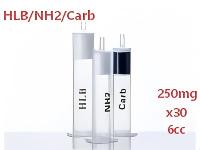
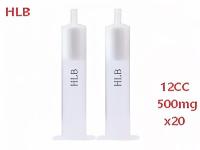
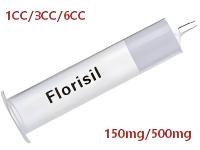
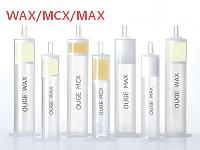
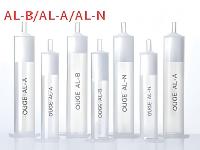
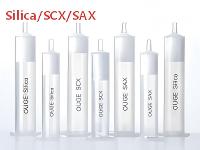
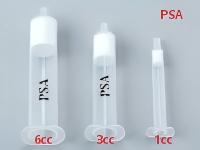
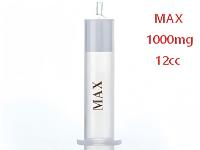
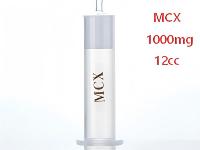
SPE Cartridge Chemistries
Universal Polymer Sorbents
Broad-spectrum extraction for diverse compound classes:
- HLB (Hydrophilic-Lipophilic Balance) - Universal reversed-phase polymer sorbent | Extracts acidic, basic, and neutral compounds | Wide pH stability (0-14) | Ideal for multi-residue methods | Applications: pharmaceuticals, pesticides, hormones, personal care products in water
- Typical Recovery: >85% for compounds with log P >0 | Superior to C18 for polar analytes | No conditioning required with some protocols | Most popular choice for environmental water screening
Ion Exchange Sorbents
Selective extraction based on charge interactions:
- WAX (Weak Anion Exchange) - Mixed-mode reversed-phase + anion exchange | pKa ~6-8 | Retains acidic compounds (carboxylic acids) | Applications: acidic herbicides (glyphosate, 2,4-D), acidic pharmaceuticals (NSAIDs), organic acids, PFAS analysis
- WCX (Weak Cation Exchange) - Mixed-mode reversed-phase + cation exchange | pKa ~4-5 | Retains basic compounds (amines) | Applications: basic pharmaceuticals (beta-blockers, antidepressants), amphetamines, alkaloids, quaternary ammonium compounds
- MAX (Mixed-mode Anion Exchange) - Strong anion exchange + reversed-phase | Quaternary amine functional group | Retains strongly acidic compounds | Applications: sulfonic acids, phosphonic acids, strong acid pesticides, acidic metabolites
- MCX (Mixed-mode Cation Exchange) - Strong cation exchange + reversed-phase | Sulfonic acid functional group | Retains strongly basic compounds | Applications: basic drugs, biogenic amines, quaternary compounds, pH-independent retention of bases
Normal Phase Sorbents
Polar analyte extraction from non-polar matrices:
- Silica (SiO2) - High-purity silica gel | Polar interactions via silanol groups | Applications: lipid removal, pigment cleanup, polar pesticide extraction, mycotoxin analysis, vitamin purification
- Best For: Sample cleanup in non-aqueous matrices | Fractionation of compound classes | Normal phase chromatography sample prep
Alumina Sorbents
pH-dependent selectivity for specialized applications:
- AL-B (Basic Alumina) - pH ~9-10 | Retains acidic compounds | Removes acidic interferences | Applications: PAH cleanup, PCB analysis, pesticide purification, removal of fatty acids and organic acids from extracts
- AL-N (Neutral Alumina) - pH ~7-8 | Balanced polarity | General cleanup | Applications: pesticide multi-residue methods, pigment removal, lipid cleanup, dye purification, broad-spectrum cleanup
- AL-A (Acidic Alumina) - pH ~4-5 | Retains basic compounds | Removes basic interferences | Applications: alkaloid purification, basic drug cleanup, removal of amine interferences, phenol analysis
SPE Cartridge Sizes Available
Complete Size Range for Any Application
Select the optimal cartridge volume and bed mass for your sample size:
- 1cc (1mL) Cartridges - Bed mass options: 30mg, 50mg, 100mg | Sample volumes: 0.1-5mL | Applications: pharmaceutical screening, biological fluids, small-volume environmental samples, method development | Ultra-low elution volumes (200-500μL)
- 3cc (3mL) Cartridges - Bed mass options: 50mg, 100mg, 150mg, 200mg, 500mg | Sample volumes: 1-50mL | Applications: drinking water analysis (100-500mL samples), surface water screening, standard environmental methods | Most common size for water analysis
- 6cc (6mL) Cartridges - Bed mass options: 200mg, 500mg, 1000mg (1g) | Sample volumes: 50-250mL | Applications: groundwater monitoring, large-volume drinking water samples, trace contaminant concentration | EPA Method 525/537 compatible
- 12cc (12mL) Cartridges - Bed mass options: 500mg, 1000mg, 2000mg (2g) | Sample volumes: 250mL-1L | Applications: ultra-trace analysis, pristine water monitoring, large environmental samples, regulatory compliance testing requiring high concentration factors
Cartridge Selection Guidelines
Match cartridge size to sample volume and target concentration:
- General Rule: Sorbent bed mass = 1-5% of sample volume (e.g., 100mL sample → 100-500mg sorbent)
- Trace Analysis: Use higher bed mass for maximum retention and concentration factor
- Dirty Samples: Larger cartridges prevent premature breakthrough and clogging
- Cost Optimization: Smaller cartridges reduce solvent consumption and waste disposal costs
- Multiple Cartridges: Serial cartridges can extend capacity for challenging samples
SPE Extraction Methodology
Standard SPE Procedure
Four critical steps for successful extraction:
- Step 1: Conditioning - Activate sorbent with organic solvent (methanol, acetonitrile) | Wet with water or buffer | Prepares sorbent for aqueous sample loading | Typical: 3-5mL methanol, 3-5mL water
- Step 2: Loading - Pass sample through cartridge at controlled flow rate (1-5 mL/min) | Analytes retained on sorbent | Matrix components pass through | Gravity, vacuum, or positive pressure
- Step 3: Washing - Remove interfering compounds with selective wash solvents | Low-strength organic/water mixtures | Maintain analyte retention while removing matrix | Typically 1-3mL wash volume
- Step 4: Elution - Recover analytes with strong solvent | High organic content (methanol, acetonitrile, ethyl acetate) | Collect in clean vials | Concentrate via evaporation if needed | 1-5mL elution volume
Applications by Sorbent Type
HLB Applications - Universal Extraction
- Pharmaceutical Residues in Water - Antibiotics (tetracyclines, fluoroquinolones, sulfonamides) | Analgesics (ibuprofen, naproxen, acetaminophen) | Cardiovascular drugs | Psychiatric medications | Wastewater and surface water monitoring
- Pesticides & Herbicides - Organophosphates, carbamates, triazines | Glyphosate (with derivatization) | Neonicotinoids | Multi-residue screening | Agricultural runoff analysis
- Endocrine Disrupting Compounds - Natural and synthetic estrogens | BPA and phthalates | Alkylphenols | Drinking water source protection
- Personal Care Products - Fragrance compounds (musks) | UV filters (benzophenones, cinnamates) | Triclosan, triclocarban | Wastewater treatment plant monitoring
WAX Applications - Acidic Compounds
- PFAS Analysis - Per- and polyfluoroalkyl substances | EPA Method 537.1 (14 compounds) | PFOA, PFOS, PFHxS, PFNA, and others | Drinking water compliance | Specialized protocol to minimize background contamination
- Acidic Herbicides - Glyphosate and AMPA | 2,4-D, 2,4,5-T | Dicamba, MCPA | Chlorophenoxy acids | Agricultural and urban runoff
- Organic Acids - Haloacetic acids (disinfection byproducts) | Carboxylic acids | Phenolic acids | Environmental acidic metabolites
WCX/MCX Applications - Basic Compounds
- Basic Pharmaceuticals - Beta-blockers (atenolol, metoprolol) | Antidepressants (fluoxetine, sertraline) | Stimulants (amphetamine, methylphenidate) | Opioids and metabolites
- Illicit Drugs in Wastewater - Cocaine and benzoylecgonine | Amphetamines and methamphetamine | MDMA (ecstasy) | Wastewater-based epidemiology studies
- Biogenic Amines - Histamine, tyramine, tryptamine | Water quality indicators | Algal bloom metabolites
Silica & Alumina Applications - Cleanup
- PAH Analysis - AL-B cleanup after initial C18 extraction | Remove polar interferences | EPA Method 610 | Sediment and soil extracts
- PCB Analysis - AL-N cleanup | Lipid removal | EPA Method 608 | Environmental sample cleanup
- Pesticide Multi-Residue - AL-N or Silica | Remove pigments and co-extractives | GC-MS sample preparation | QuEChERS-style cleanup
SPE Advantages Over Traditional Extraction
Reduced Solvent Consumption
SPE uses 10-20mL total solvents vs. 100-500mL for liquid-liquid extraction (LLE). Lower costs for solvent purchase and hazardous waste disposal. Smaller laboratory footprint. Greener analytical methodology.
Higher Analyte Recovery
Consistent recovery rates >85% for most analytes. Less variation than LLE (±5% vs ±15%). No emulsion formation problems. Superior for polar compounds that partition poorly in LLE.
Greater Selectivity
Multiple sorbent chemistries for targeted extraction. Ion exchange modes eliminate interfering compounds. Sequential elution for compound class fractionation. Cleaner extracts = less instrument maintenance.
Faster Sample Processing
Process 12-24 samples in parallel on manifold. 15-30 minutes per batch vs. hours for LLE. Automate with robotic SPE systems. Overnight unattended processing.
Easier Method Validation
Reproducible between analysts and laboratories. Disposable cartridges eliminate carryover. Standardized products simplify method transfer. Suitable for regulated industries (EPA, FDA, ISO).
Lower Detection Limits
Concentrate large sample volumes (up to 1L) onto small cartridges. Elute in 1-5mL for 50-200× concentration factor. Achieve ng/L to pg/L detection limits. Critical for trace contaminant monitoring.
Quality Assurance
Lot-to-Lot Consistency
Every production batch tested for breakthrough volume, recovery, and reproducibility. Certificate of Analysis (CoA) available. Traceable to raw material lots. Consistent performance for multi-year monitoring programs.
Low Background Contamination
Manufactured in cleanroom facilities. Pre-washed to remove extractable impurities. Individually sealed to prevent contamination. Suitable for ultra-trace analysis (ng/L level). Critical for PFAS and LC-MS applications.
Regulatory Method Compliance
Compatible with EPA Methods 525.3, 537.1, 549.2. Meets ISO 11369 SPE standards. Suitable for AOAC methods. FDA-approved for pharmaceutical testing. Validated for European regulatory frameworks.
Technical Support Included
Free method development consultation. Protocol optimization for your sample matrix. Troubleshooting assistance for low recoveries. Literature references and application notes. Webinars and training workshops.
SPE Product Ordering Guide
How to Select Your SPE Cartridge
Answer these questions to choose the optimal configuration:
- Step 1: Analyte Properties - Are your analytes acidic (WAX/MAX), basic (WCX/MCX), or neutral/mixed (HLB)?
- Step 2: Sample Volume - How much water will you extract? (10mL → 1cc; 100mL → 3cc; 500mL → 6cc; 1L → 12cc)
- Step 3: Concentration Factor - How much concentration do you need? Higher bed mass = more analyte capacity
- Step 4: Matrix Complexity - Clean drinking water = smaller cartridge acceptable; dirty wastewater = larger cartridge prevents clogging
- Step 5: Throughput Needs - How many samples per day? Consider manifold system for >6 samples/day
Need Help Choosing?
Our applications scientists have decades of combined experience in environmental water analysis. Contact us with your specific requirements, and we'll recommend the optimal cartridge configuration. Free consultation included with every custom order inquiry.