


Microbial Culture/Screening
Cultivate and isolate aquatic microorganisms with our comprehensive range of culture equipment, selective media, and screening tools. From traditional plate-based culture to automated colony counting systems, our solutions enable accurate enumeration, identification, and characterization of bacteria, fungi, and other microbes in water samples. Essential for regulatory compliance testing, microbial diversity studies, and isolation of novel organisms for biotechnology applications.
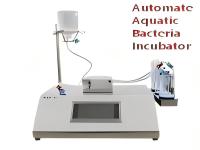
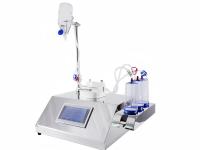
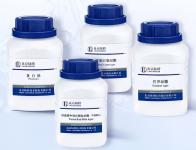
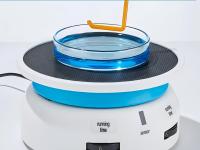
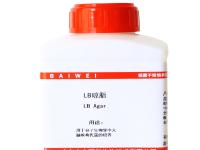
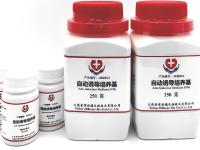
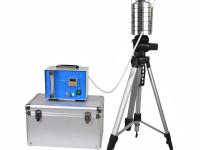
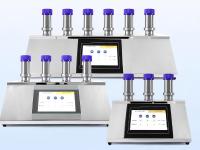
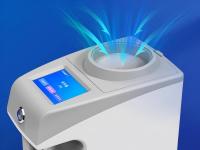
Microbial Culture Equipment
Incubators - Controlled Environment for Microbial Growth
Precision temperature control for optimal microbial cultivation:
- Standard Microbiological Incubators - Temperature range: 5°C above ambient to 70°C | Precision: ±0.5°C uniformity | Capacity: 20L (benchtop) to 600L (floor-standing) | Natural or forced-air convection | Applications: General bacterial culture (35-37°C), coliform enumeration, heterotrophic plate counts
- Refrigerated Incubators (BOD Incubators) - Temperature range: 4-60°C (cooling and heating) | Precision: ±0.3°C | Essential for 20°C BOD₅ incubation | Applications: Biochemical oxygen demand testing, psychrophilic bacteria, temperature-sensitive organisms
- Shaking Incubators - Orbital shaking (25-500 RPM) with temperature control | Platform accommodates flasks (50 mL-2L) and culture tubes | Temperature: ambient +5°C to 60°C | Applications: Liquid culture, bacterial growth curves, enzyme production, biofilm disruption
- Key Features - Digital temperature display and control | Over-temperature alarm and safety cutoff | Door open alarm | Adjustable shelving (typically 3-6 shelves) | Interior lighting | Port for external probes | Data logging via USB or Ethernet | Stainless steel interior (easy cleaning) | ISO calibration certificates available
Colony Counters - Accurate Enumeration
Manual and automated systems for rapid, reproducible colony counting:
- Manual Colony Counters - Illuminated magnifying lens (2-4× magnification) | Electronic tally counter with audible beep | Dark-field or bright-field illumination | Grid overlay for petri dishes (150 mm, 90 mm) | Price: $300-$800 | Applications: Low-throughput labs, educational settings
- Automated Colony Counters - High-resolution camera (5-16 megapixels) captures plate image | AI-powered software counts colonies automatically | Detects colonies 0.05-10 mm diameter | Differentiates colony morphologies (color, size, shape) | Counting capacity: 1-2,000 CFU per plate | Throughput: 10-60 plates/hour | Touchscreen interface with data export (Excel, PDF) | Integrated database for result storage and trending | Price: $8,000-$25,000 | Applications: High-throughput testing, regulatory compliance, QC laboratories
- Spiral Plater Integration - Counts colonies from spiral plating patterns | Software calculates CFU/mL from spiral geometry | Compatible with automated counters | Reduces plate usage by 90% vs. spread plating
- Key Features - Colony size and color discrimination | Zone of inhibition measurement (antibiotic susceptibility) | Audit trail and user authentication (21 CFR Part 11 compliant) | Remote plate viewing and approval | Automatic result validation (too numerous to count flags) | Multi-plate comparison for QC checks
Filtration Equipment - Concentrate Microbes from Water
Membrane filtration for low-density water samples:
- Vacuum Filtration Manifolds - 3, 6, 12, or 24-position stainless steel or acrylic manifolds | Accommodates 47 mm or 50 mm membrane filters | Vacuum pump (oil-free diaphragm pump recommended) | Reusable or disposable filter funnels | Applications: Total coliform/E. coli enumeration, heterotrophic plate counts, Legionella
- Single-Use Filtration Units - Pre-sterilized, disposable filter funnels with integrated membrane | Reduces cross-contamination risk | No cleaning required between samples | Membrane pre-gridded for easy colony counting | Available in sterile packs (individual or bulk) | Applications: Field sampling, clinical water testing, convenience
- Peristaltic Pumps - Gentle filtration for large volumes (1-20L) | Adjustable flow rate (10-1000 mL/min) | Prevents membrane clogging in turbid samples | Applications: Surface water, wastewater, low-concentration samples
- Filter Membranes - Cellulose acetate, mixed cellulose ester, PVDF, nylon | Pore size: 0.22 µm, 0.45 µm (bacteria), 0.8 µm (yeast) | Gridded or non-gridded | Sterile, individually wrapped or bulk packs | Compatible with all standard culture media
Selective & Differential Culture Media
Bacterial Indicator Media - Regulatory Compliance
Standardized media for drinking water quality assessment:
Total Coliform & E. coli Detection
m-ColiBlue24® Broth - Simultaneous detection of total coliforms (blue colonies) and E. coli (red colonies) in 24 hours | Membrane filtration method | EPA-approved (Method 1604) | Incubation: 35±0.5°C, 24±2 hours | Selectivity: Chromogenic substrates (galactosidase, glucuronidase) | Format: Ready-to-use pads or dehydrated broth | Shelf life: 18 months
Chromocult® Coliform Agar - Differential agar for total coliforms (salmon-red) and E. coli (dark blue-violet) | ISO 9308-1 approved | Incubation: 36±2°C, 21-24 hours | High specificity (>95%) | Format: Prepared plates or powder (500g, 5kg)
Lauryl Tryptose Broth (LST) - Presumptive coliform test in multiple tube technique | Gas production indicates coliforms | Confirmatory step required | EPA Method 9221 | Incubation: 35±0.5°C, 24-48 hours
EC Broth with MUG - Confirmatory test for E. coli | MUG (4-methylumbelliferyl-β-D-glucuronide) fluoresces under UV when cleaved by E. coli glucuronidase | Incubation: 44.5±0.2°C, 24 hours
Enterococcus Detection
mEI Agar (membrane Enterococcus Indoxyl-β-D-glucoside) - Selective for enterococci, blue-green colonies | EPA Method 1600 | Incubation: 41±0.5°C, 24 hours | Applications: Recreational water quality (fecal contamination indicator)
Bile Esculin Azide Agar - Presumptive enterococcus identification | Black colonies (esculin hydrolysis) | Confirmatory tests needed | Incubation: 35°C, 48 hours
Enterococci Broth (Azide Dextrose) - Liquid enrichment for enterococci | Turbidity indicates growth | Used in multiple tube technique | Incubation: 35°C, 48 hours
Heterotrophic Plate Count (HPC)
R2A Agar - Low-nutrient medium for stressed or slow-growing bacteria in drinking water | Incubation: 20-28°C, 5-7 days | Recovers chlorine-injured bacteria | APHA Standard Method 9215 | Better recovery than standard plate count agar for oligotrophic water bacteria
Plate Count Agar (Standard Methods Agar) - General purpose medium for total aerobic bacteria | Incubation: 35°C, 48 hours | EPA Method 9215 | Higher nutrient content than R2A | Applications: Water treatment process monitoring, general microbial load
Pseudomonas Detection
Pseudomonas Isolation Agar (PIA) - Selective medium with irgasan (triclosan) inhibits Gram-positive bacteria | Pseudomonas produces pyocyanin (blue-green pigment) | Incubation: 35-37°C, 24-48 hours | Applications: Swimming pools, hospital water systems
Cetrimide Agar - Selective for Pseudomonas aeruginosa | Cetrimide (quaternary ammonium compound) inhibits most bacteria | P. aeruginosa produces pyocyanin and fluorescein | Incubation: 37°C, 24-48 hours
Pathogen-Specific Culture Media
Isolation and identification of waterborne pathogens:
Legionella Culture
Buffered Charcoal Yeast Extract (BCYE) Agar - Gold standard for Legionella isolation | Supplemented with L-cysteine, ferric pyrophosphate, α-ketoglutarate | Activated charcoal absorbs toxic metabolites | Incubation: 35-37°C, 3-10 days in humidified atmosphere (2.5% CO₂ optional) | Colonies: Gray-white, convex, glistening | ISO 11731, ASTM D5952
BCYE-Cya Agar (with Cefamandole, Polymyxin B, Anisomycin) - Selective BCYE with antibiotics to suppress background flora | Used in parallel with non-selective BCYE | Improves recovery from contaminated samples (cooling towers, biofilms)
GVPC Agar (Glycine, Vancomycin, Polymyxin B, Cycloheximide) - Another selective formulation for heavily contaminated samples | Higher selectivity but may inhibit some Legionella strains
Salmonella Isolation
Xylose Lysine Desoxycholate (XLD) Agar - Differential and selective for Salmonella | Salmonella produces black colonies (H₂S production) | Incubation: 35°C, 24 hours | Used after enrichment in selenite or tetrathionate broth
Hektoen Enteric (HE) Agar - Selective for Salmonella and Shigella | Blue-green colonies with black centers (Salmonella) | Incubation: 35°C, 24 hours
Bismuth Sulfite (BS) Agar - Highly selective for Salmonella typhi | Black colonies with metallic sheen | Incubation: 35°C, 48 hours
Campylobacter Isolation
Campylobacter Blood-Free Selective Agar (CCDA/Preston Agar) - Contains cefoperazone, amphotericin to inhibit competitors | Microaerobic atmosphere (5% O₂, 10% CO₂, 85% N₂) required | Incubation: 42°C, 48 hours | Colonies: Flat, gray, spreading
Campy-Cefex Agar - Blood-free alternative with cefoperazone | Charcoal absorbs toxic oxygen radicals | Microaerobic incubation: 42°C, 48 hours
Staphylococcus aureus
Baird-Parker Agar - Selective for S. aureus | Colonies: Black, shiny with clear halo (lecithinase activity) | Incubation: 35-37°C, 24-48 hours | Applications: Recreational water, food plant water
Mannitol Salt Agar (MSA) - Selective (7.5% NaCl) and differential (mannitol fermentation) | S. aureus produces yellow colonies (acid from mannitol) | Incubation: 35°C, 24-48 hours
Fungal & Yeast Culture Media
Isolation of aquatic fungi and yeasts:
General Fungal Media
Sabouraud Dextrose Agar (SDA) - General purpose fungal medium | Low pH (5.6) inhibits bacterial growth | With or without antibiotics (chloramphenicol, gentamicin) | Incubation: 25-30°C, 3-7 days | Applications: Yeast, molds, dermatophytes from water systems
Potato Dextrose Agar (PDA) - Rich medium for fungi and yeasts | Potato infusion provides nutrients | Incubation: 25°C, 3-7 days | Applications: Environmental fungi, water molds (Oomycetes)
Malt Extract Agar (MEA) - Promotes sporulation in fungi | Lower nutrient than PDA | Incubation: 25°C, 5-14 days | Applications: Fungal identification, morphological studies
Selective Fungal Media
Rose Bengal Agar - Rose Bengal dye inhibits bacterial growth | Limits fungal colony spreading for easier counting | Incubation: 25°C, 5 days | Applications: Fungal enumeration in water samples
Candida Chromogenic Agar - Differential medium for Candida species identification | C. albicans (green), C. tropicalis (blue), C. krusei (pink) | Incubation: 37°C, 48 hours | Applications: Hospital water systems, immunocompromised patient risk
Aspergillus Differential Media - Creatine-based media for Aspergillus identification | Dichloran Rose Bengal Chloramphenicol (DRBC) Agar for enumeration
Specialty Media for Aquatic Microbes
Enrichment and isolation of unique water-associated organisms:
Iron & Sulfur Bacteria
Iron Bacteria Medium - Ferrous sulfate substrate for iron-oxidizing bacteria (Gallionella, Leptothrix) | Rusty-brown colonies or slime | Incubation: 20-25°C, 7-14 days | Applications: Well water, distribution systems with iron problems
Thiobacillus Medium - Sulfur-oxidizing bacteria | Thiosulfate as sulfur source | pH indicator turns yellow with acid production | Incubation: 25-30°C, 7-14 days
Sulfate-Reducing Bacteria (SRB) Medium - Anaerobic medium with lactate and sulfate | Black precipitate (FeS) indicates SRB growth | Incubation: 30-37°C, 7-28 days (anaerobic) | Applications: Corrosion investigations, anaerobic zones
Nitrifying Bacteria
Ammonia-Oxidizing Bacteria (AOB) Medium - Minimal medium with ammonium as sole energy source | No organic carbon (autotrophic bacteria) | Incubation: 25-30°C, 2-4 weeks | Slow growth, colonies barely visible
Nitrite-Oxidizing Bacteria (NOB) Medium - Nitrite as energy source for Nitrobacter, Nitrospira | Incubation: 25-30°C, 2-6 weeks | Applications: Wastewater treatment monitoring, nitrification studies
Algae & Cyanobacteria
BG-11 Medium - Standard cyanobacteria cultivation medium | Nitrate as nitrogen source | Incubation: 20-25°C with illumination (2,000-4,000 lux) | Photoperiod: 12-16 hours light/day | Applications: Cyanobacteria isolation, harmful algal bloom studies
Bold's Basal Medium (BBM) - General purpose freshwater algae medium | Supports green algae, diatoms | Illuminated incubation: 20-25°C | Applications: Algal diversity studies, biofuel research
Actinomycetes (including Mycobacteria)
Lowenstein-Jensen Medium - Egg-based medium for mycobacteria (including nontuberculous mycobacteria, NTM) | Incubation: 30-37°C, 3-8 weeks | Slow growth, characteristic colony morphology
Middlebrook 7H10/7H11 Agar - Modern mycobacterial medium | Faster growth than egg-based media | Transparent, allows colony observation | Incubation: 37°C with 5% CO₂, 2-6 weeks | Applications: Hospital water NTM surveillance
Culture Media Formats & Preparation
Ready-to-Use Prepared Plates
Advantages: No preparation time, consistent quality, reduced contamination risk, extended shelf life (3-6 months at 4°C)
Formats: Individual plates (90 mm, 150 mm), stacks of 10-20 plates, bi-plates (two media types)
Available Media: All standard formulations (R2A, PCA, mColiBlue24, BCYE, XLD, SDA, etc.)
Best For: Low-volume testing, avoiding autoclave, quality assurance, field sampling
Dehydrated Culture Media
Advantages: Cost-effective for high volumes, long shelf life (2-5 years), flexible batch sizes
Formats: Powder in bottles (100g, 500g, 2kg, 5kg), pre-weighed pouches (for specific volumes)
Preparation: Dissolve in deionized water, autoclave at 121°C for 15 minutes (most media), cool to 50-55°C, pour plates in biosafety cabinet
Best For: High-throughput labs, routine testing programs, cost-sensitive operations
Liquid Media (Broths)
Formats: Ready-to-use tubes/bottles or dehydrated powder
Applications: Enrichment culture, liquid culture for growth curves, broth microdilution, multiple tube technique (MPN)
Common Broths: Lauryl Tryptose, EC, Selenite, Tetrathionate, Nutrient Broth, Tryptic Soy Broth (TSB)
Packaging: 5-10 mL tubes, 50-100 mL bottles, 1L bottles
Chromogenic Membrane Filters
Technology: Membrane impregnated with chromogenic substrates
Advantages: Direct enumeration on filter, no plate pouring, 24-hour results
Available Types: Coliform/E. coli (blue/red), Enterococcus (blue-green), Pseudomonas (blue)
Format: Sterile, gridded, 47 mm diameter, individually wrapped or bulk packs
Best For: High-throughput membrane filtration testing, field sampling
Standard Methods & Regulatory Compliance
| Target Organism | Standard Method | Media Required | Incubation |
|---|---|---|---|
| Total Coliforms & E. coli | EPA Method 1604, ISO 9308-1, SM 9223 | m-ColiBlue24 Broth, Chromocult Coliform Agar | 35°C, 24h |
| Enterococcus | EPA Method 1600, ISO 7899-2, SM 9230 | mEI Agar, Bile Esculin Azide Agar | 41°C, 24h |
| Heterotrophic Plate Count | EPA Method 9215, ISO 6222, SM 9215 | R2A Agar, Plate Count Agar | 20-28°C, 5-7d (R2A) 35°C, 48h (PCA) |
| Legionella | ISO 11731, ASTM D5952 | BCYE Agar, BCYE-Cya Agar | 35-37°C, 3-10d |
| Pseudomonas aeruginosa | ISO 16266, SM 9213 | Pseudomonas Isolation Agar, Cetrimide Agar | 37°C, 24-48h |
| Salmonella | ISO 19250, SM 9260 | XLD Agar, HE Agar, Selenite Broth (enrichment) | 35°C, 24h (plating) 35°C, 18-24h (enrichment) |
| Clostridium perfringens | ISO 14189, SM 9213 | mCP Agar (membrane Clostridium perfringens) | 44°C, 21-24h (anaerobic) |
| Fecal Streptococcus | SM 9230 | KF Streptococcus Agar | 35°C, 48h |
Applications by Water Type
Drinking Water Testing
Regulatory Requirements: Total coliforms, E. coli (monthly for most systems)
Recommended Media: m-ColiBlue24 Broth (membrane filtration), Chromocult Coliform Agar (pour plate or spread plate)
Additional Testing: Heterotrophic plate count (process monitoring), Pseudomonas (bottled water)
Equipment Needed: Vacuum filtration manifold (6-12 positions), 35°C incubator, colony counter
Volume: 100 mL per test (can composite up to 500 mL for low-contamination sources)
Recreational Water Testing
Swimming Pools/Spas: E. coli, Pseudomonas aeruginosa, HPC
Media: m-ColiBlue24, Pseudomonas Isolation Agar, R2A
Beaches/Lakes: Enterococcus (marine water), E. coli (freshwater)
Media: mEI Agar (Enterococcus), m-ColiBlue24 (E. coli)
Frequency: Daily (pools), weekly (beaches during swim season)
Standards: WHO Guidelines, EPA BEACH Act, local health department regulations
Wastewater Monitoring
Effluent Quality: Fecal coliforms, E. coli, total coliforms (NPDES permit limits)
Media: m-FC Agar (fecal coliforms, 44.5°C), m-ColiBlue24 (total coliforms/E. coli)
Process Monitoring: HPC in activated sludge, nitrifying bacteria enumeration
Media: R2A (general bacteria), AOB/NOB selective media
Biosolids: Salmonella detection, fecal coliform reduction verification
Media: Selenite Broth + XLD Agar (Salmonella), m-FC Agar (fecal coliforms)
Building Water Systems
Legionella Surveillance: Cooling towers, hot water systems, decorative fountains
Media: BCYE Agar, BCYE-Cya Agar
Frequency: Quarterly or semi-annually (risk-based), monthly for high-risk facilities (hospitals)
Nontuberculous Mycobacteria (NTM): Hospital water systems, immunocompromised patients
Media: Lowenstein-Jensen, Middlebrook 7H10
Biofilm Monitoring: Swab samples from faucets, showerheads, fittings
Media: R2A Agar (general biofilm bacteria), PIA (Pseudomonas)
Why Choose Our Culture Solutions?
Complete Equipment Range
Incubators from benchtop to walk-in sizes. Autoclaves for every lab scale (15-300L). Manual and automated colony counters. Filtration manifolds and biosafety cabinets. Shaking incubators for liquid culture. Anaerobic and CO₂ incubators for fastidious organisms. One-stop solution for all culture needs.
Comprehensive Media Selection
100+ media formulations for water microbiology. Regulatory-approved media (EPA, ISO, APHA). Ready-to-use plates and dehydrated media. Chromogenic and traditional formulations. Custom media preparation services. Bulk ordering with volume discounts.
Quality Assurance
All media manufactured to ISO 11133 standards. Lot-specific certificates of analysis. Performance-tested with ATCC reference strains. Equipment calibrated to national standards. Traceability documentation for accredited labs. Support for ISO 17025, NELAC certification.
Technical Expertise
Applications support for method selection. Protocol optimization for challenging samples. Troubleshooting contamination or low recovery. Training on culture techniques and interpretation. Regulatory compliance guidance (EPA, ISO, WHO). Custom media formulation for research applications.
Reliable Supply Chain
Consistent product availability across CPTPP nations. Regional distribution centers for fast delivery. Cold-chain logistics for prepared media. Emergency orders processed within 24 hours. Vendor-managed inventory programs available. Dedicated account managers for large facilities.
Cost-Effective Solutions
Competitive pricing on equipment and media. Bulk discounts for high-volume users. Ready-to-use plates save labor costs. Dehydrated media cost-effective for routine testing. Equipment financing and leasing options. Annual service contracts with predictable costs.
Need Help Choosing?
Our applications scientists have decades of combined experience in environmental Sample analysis. Contact us with your specific requirements.